
World Cancer Day 2025: 5 Must Lifestyle Changes in Your Life to Lower the Odds
World Cancer Day 2025 is going to empower a generation of individuals to take possession of their own knowledge and apply lifestyle changes towards a reduced cancer risk. Here's a rundown of five critical habits: diet, exercise, not smoking, protection from the UV rays that shine on one's skin, and regular check-ups. So many small things add up.
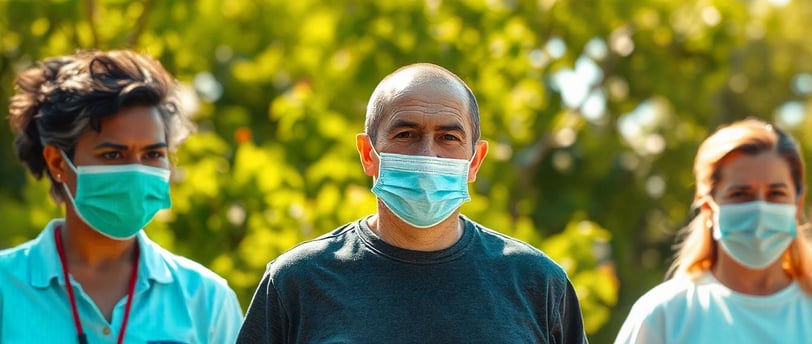
One of the most important health issues before mankind is cancer, with millions of people falling victim every year. Every year on February 4, the World Cancer Day is held around the world with the main goal of awareness and prevention while inspiring action to the deadly disease known as cancer. World Cancer Day 2025 would see the theme empowered people, to reduce the risk of cancer and have the capability of healthy life with the support of knowledge along with practical steps.
Although there is some predisposition with genetics, the overwhelming majority of evidence indicates that a large portion of cancers could be prevented if one made the appropriate lifestyle adjustments. Small effective changes can result in a dramatically reduced risk for developing cancer, while also greatly enhancing overall wellness. Here are five key lifestyle changes you can make to help reduce your chances of getting cancer.
1. Healthy Diet
Diet is one of the major influencers of the prevention of cancer. The daily diet plays a pivotal role in reinforcing the immune system and reducing the level of inflammation, which would both prevent cancers. Here are some dietary practices you should make a part of your lifestyle:
Consume plenty of fruits and vegetables: Since they contain essential antioxidants, vitamins, and fibers, therefore help neutralize the free bad radicals and get your cells re-energized.
Avoid refined grains or products containing those: Use grains that have its own fibers such as quinoa, brown rice, etc., in other whole wheat for food and take them because a chance to catch colon cancer.
Restrict Processed and Red Meat Some research suggests a link between significant consumption of processed meats, for example, bacon, sausage, and ham to an increased incidence of colorectal cancer. One can consider consumption of fish and poultry with added legumes and tofu as main protein sources as alternatives.
Reduce Sugar and Unhealthy Fats High sugar and unhealthy fats contribute to obesity, one of the major risk factors for cancer. Instead, embrace healthy fats such as those in avocados, nuts, and olive oil.
2. Exercise Physically
It has been reported that lack of regular exercise could have the potential to promote risks of cancer in the human body, especially in cancers of the breast, colon, and endometrium. Being physically active also helps by maintaining hormonal regulation, healthy levels of weight, and also boosting immunity. Consider the following:
The weekly target for exercise includes 150 minutes of moderate activity, such as brisk walking, swimming, or cycling, as well as vigorous activity, with at least 75 minutes spent running or on any other highly intense workout.
Strength training
Strength training involves doing exercises aimed at building mass in the muscles and increasing metabolic rate. Perform strength training twice a week to build muscle.
Reduce sedentary behavior: Take frequent breaks from prolonged sitting, stretch, or walk at work.
Simple measures like climbing stairs instead of taking the elevator or walking for short distances result in more exercise.
3. Refrain from tobacco use and limit alcohol
Tobacco smoking is among the most important causes of cancer worldwide, and it is responsible for cancers of the lung, throat, mouth, pancreas, bladder, and many more. There is no such safe amount of tobacco consumption; the best thing to do is quit.
Quit smoking through professional stop smoking counsellors or in support groups or through nicotine replacement therapies.
Also, avoid passive smoking as it doubles the chances of getting lung cancer.
The next important risk factor is alcohol intake that leads to various types of cancers like liver, breast, esophagus, and colorectal cancer. The higher the amount taken in, the greater the risk will be. How to reduce the risk of cancer:
Alcohol consumption to less than one drink per day for women and two drinks per day for men.
Consider some alcohol-free days or reduce alcohol consumption to support your long-term health.
4. Protect Your Skin from All Forms of Harmful UV Radiation
One of the most preventable cancers is skin cancer, including melanoma. Exposure to ultraviolet radiation from the sun or tanning beds is an important risk factor. Protect yourself by:
Applying a broad-spectrum sunscreen with at least SPF 30 daily, even on cloudy days.
Wearing protective clothing, including hats, sunglasses, and long sleeves, when spending extended periods outdoors.
Seek shade, especially during 10 a.m. and 4 p.m. when the sun's rays are strongest.
Avoid the use of tanning beds; they emit UV radiation, which can cause premature aging and skin cancer.
Check your skin regularly, and see your dermatologist when you notice new or changing moles or other unusual skin changes.
5. Routine Health Check-ups and Vaccinations
The earlier in the detection cycle of cancer is done, then the higher a chance of it being treated effectually and patient survival. Keeping fit and, above all the vaccinations go such a long mile in the treatment of cancer free.
Routinely Cancer Detection: SCREENING
Schedule based on age or gender or whatever risk factors or mammograms that are scheduled periodically for breast and cervical cancer.
Colonoscopy for colorectal cancer and also prostate exam and so on of prostate cancer are scheduled.
Human papillomavirus (HPV) is one of the main causes of cervical and throat cancers. It is advisable for both boys and girls to start being vaccinated from age 9 years to eradicate such cancers.
Hepatitis B Vaccination
Hepatitis B may result in liver cancer. Its vaccination is also advised for patients who are prone to this cancer.
Staying proactive with respect to your health by making regular visits to your doctor can help detect any early signs of cancer and raise the effectiveness of treatment.
Conclusion
It is impossible to be absolutely cancer-free, but these lifestyle changes can significantly reduce your chances and improve your general health. World Cancer Day 2025 reminds us that prevention of cancer is in our hands, and small, consistent changes lead to a healthier future.
Maintain a healthy diet, stay physically active, avoid harmful substances, protect yourself from the sun, and get regular screenings. By doing so, you can take charge of your health and reduce your risk of cancer. Share this knowledge with your loved ones and encourage them to make healthier choices. Together, we can create a future where fewer lives are impacted by cancer.
Stay informed, stay healthy, and take action for this World Cancer Day!